
National Forestry Herbarium
Specialising in cultivated tree species and responding to Biosecurity threats, uplifting the natural world in New Zealand's forest environments.
Find out moreScope & Collections
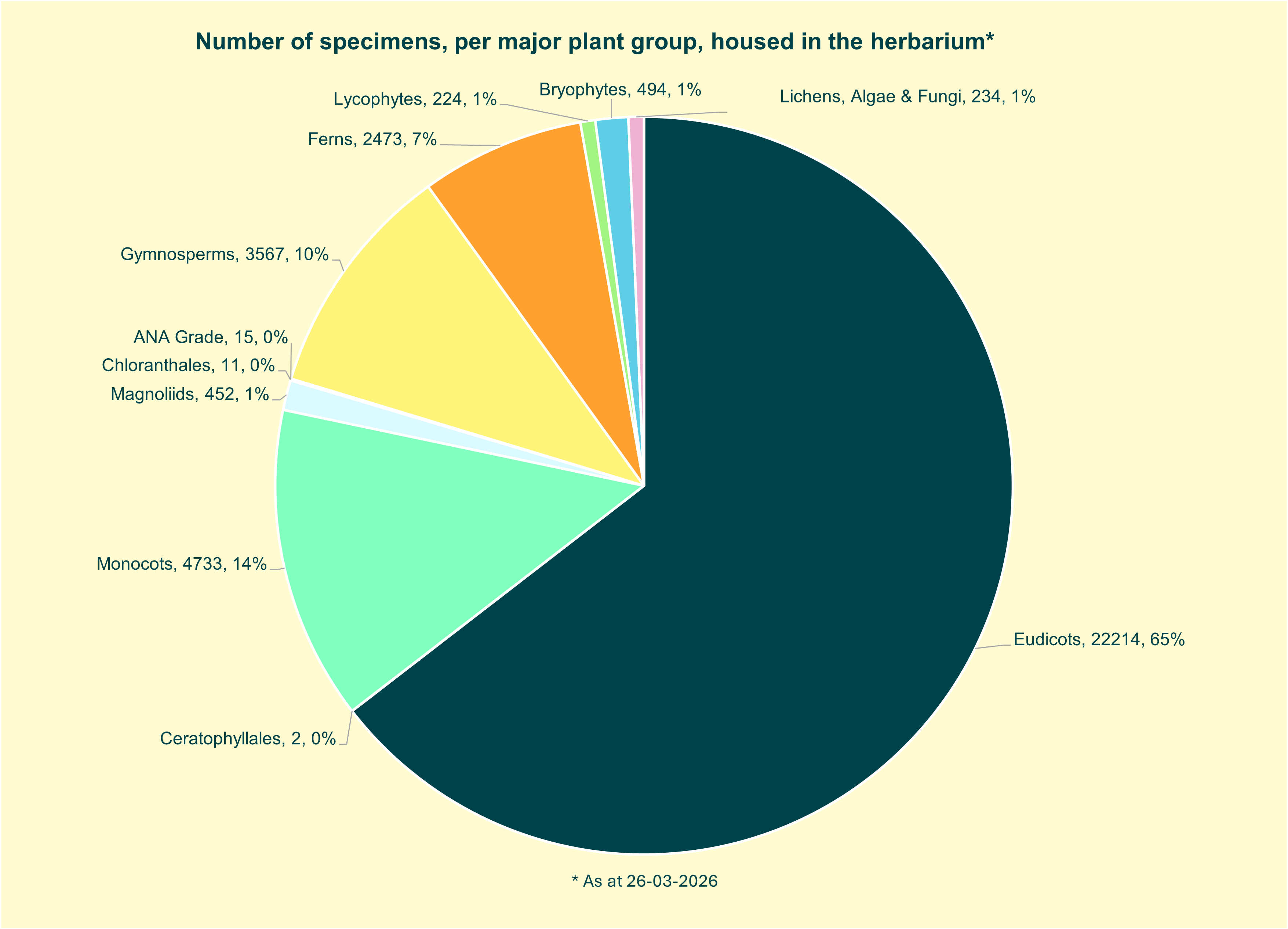
The National Forestry Herbarium and Xylarium (NZFRI) specialise in cultivated tree species associated with forestry and amenity planting, and includes extensive collections of eucalyptus and pine species. It also contains a wide range of New Zealand native and naturalised plants, and is the regional herbarium for the Bay of Plenty, East Cape and central North Island of New Zealand.
Founded in 1945, the collection focus has been on plants significant to plantation and indigenous forests in New Zealand. The herbarium is increasing its specimens of woody trees and shrubs in New Zealand as part of its emphasis to respond to Biosecurity threats in indigenous, plantation and urban forest environments.
Eucalypts and conifers together comprise approximately 23% of the herbarium collection. Pines make up ca. 30% of the Gymnosperms. There is a good coverage of cultivated species of eucalypts, with more than 2800 specimens, representing ca. 360 species. Other plantation tree species are well represented and there are specimens of forest trees from Australia, Fiji, Samoa, Vanuatu and Mexico, amongst others.
The Team
 ORCID Profile →

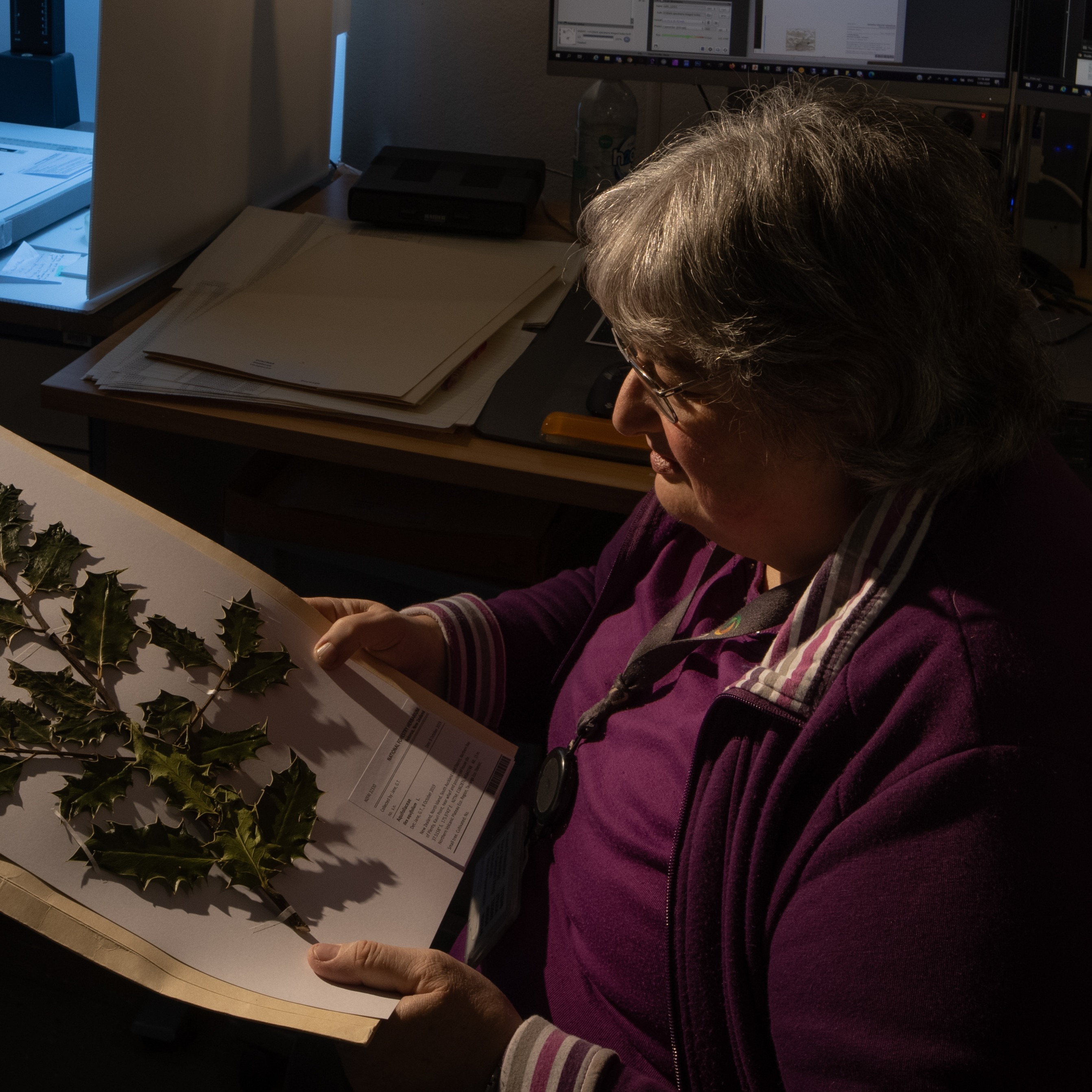
Wendy Allen
Herbarium Technician

Loans & Visitors
Loans
The National Forestry Herbarium participates in a loan programme with herbaria listed in Index Herbariorum. Specimens are loaned for the purpose of taxonomic research. Please abide by the herbarium's loan conditions and use our online loan system.
Visitors
The National Forestry Herbarium is a PC 1 Containment Facility and therefore not open to the public. Access for bona fide researchers or for educational purposes is by prior arrangement with the curator only.
Hours
9:00 AM to 4:30 PM
Monday to Friday
Closed on public holidays.

Information Services
Providing botanical information to the forestry community, researchers, and the public.
- Identification of tree species that occur in New Zealand, especially eucalypts and conifers.
- Provision of botanical information from the herbarium database.
- Permanent storage and databasing of voucher specimens for forest biodiversity studies.
- Identification of native and exotic plants from the Bay of Plenty.
Plant Identifications
The better the samples we receive, the better we can identify a plant. Good samples usually imply fertile material possessing reproductive parts like cones, flowers, or fruits.
Required material for identification:
- A shoot at least 20 cm long with attached leaves.
- Cones or flowers and fruit, including seeds.
- A small sample of bark.
- A description of the tree in terms of shape and height.
- Photographs of the tree, especially the bark.
Special requirements
| Pines | Eucalypts |
|---|---|
|
|
Plant identifications cost $65 (including GST) per specimen.
Send sealed plant material with contact details via mail: Private Bag 3020, Rotorua
3046
Or via courier: 49 Sala Street, Rotorua, New Zealand
Identification Keys
Interactive keys for accurate plant identification.
World Keys
| Families of Flowering Plants | DELTA |
| Gymnosperm Families | DELTA |
| Grassbase | DELTA |
New Zealand Keys
| Cortaderia | Keybase |
| Paulownia | Keybase |
| Pinus | Lucid |
| Identification tools (developed by the former Landcare) | Lucid |
| New Zealand Myrtaceae | Lucid |
To use a DELTA key, you need INTKEY pre-installed on your pc. Download here.